If your kitchen smells less like gourmet delights and more like a poorly contained grease bonfire, you’re not alone. Commercial kitchens are the engines of modern dining, but their ventilation systems—the unsung heroes that keep the air clean and the flames contained—are constantly under attack. Grease, smoke, cooking oils, and particulate matter are relentlessly deposited on filters, ducts, and hoods. This buildup isn't just an aesthetic nuisance; it’s a serious safety hazard and an operational drain. Dealing with this problem requires more than just scrubbing; it demands a strategic, holistic approach. This detailed guide will walk you through everything you need to know to not only overcome commercial kitchen ventilation buildup but to keep your entire system running like a finely tuned Swiss watch, protecting your staff, your investment, and your reputation.
Understanding the Enemy: What is Ventilation Buildup and Why Does It Matter?
Before we can fight the buildup, we must understand the villain. The materials that accumulate are a complex cocktail of substances. When high-heat cooking processes interact with airborne grease, the result is a sticky, combustible sludge that coats every surface. Ignoring this buildup is like ignoring a ticking time bomb hidden above your prep stations.
Why Buildup Happens: The Chemistry of Cooking
The primary culprits are simple, yet devastatingly effective. When fats and oils reach high temperatures, they vaporize and then condense on cooler surfaces, forming what we call grease film.
- Smoke: Contains microscopic carbon particles that settle everywhere, darkening the ductwork. Oil Splatters: These are the most dangerous, as they are highly flammable and can penetrate deep into the hood structure. Aerosols: The perpetual mist of cooking steam and smoke carries fine particulate matter that acts like a glue, cementing the grease film in place.
The Immediate Dangers of Neglect
The consequences of allowing buildup to accumulate are severe and immediate. It’s not just about poor airflow; it's about structural integrity and risk management.
- Fire Hazard: This is the biggest concern. A heavy layer of grease can ignite spontaneously or from a small spark, leading to catastrophic, fast-moving fires. System Inefficiency: Buildup acts like a dam, restricting airflow. When air cannot move freely, your ventilation system struggles, leading to poor temperature control and wasted energy. Compliance Issues: Most local fire codes and health regulations require professional, documented cleaning. Ignoring this is inviting costly fines and potential closure.
Implementing Proactive Strategies to Overcome Commercial Kitchen Ventilation Buildup
The goal isn't just cleaning; it's prevention. We need to change the operational culture of the kitchen to treat the ventilation system not as an afterthought, but as a critical piece of machinery.
Daily Operational Best Practices
Many owners assume that only a professional deep clean is necessary. While that’s true, the daily habits of the kitchen staff make a monumental difference. Think of daily cleaning as preventative medicine for your HVAC system.
- Grease Trap Management: Ensure all fryer oil and waste fats are properly filtered and removed daily. Never pour grease down the drain. Equipment Zoning: Designate high-grease-producing areas (like deep fryers) and implement strict cleaning protocols for those zones immediately after use. Staff Training: Staff must understand why they are cleaning. A simple visual aid showing how grease buildup accelerates fire risk can be more persuasive than a manual.
Deep Cleaning and Professional Maintenance Protocols
When the buildup gets serious, you need more than a mop and bucket. This requires specialized expertise.
- Professional Hood Cleaning: This process involves powerful, industrial-grade degreasers and specialized equipment to remove layers of baked-on residue from the hood, filters, and ducts. System Inspection: A reputable service provider will inspect the entire system, checking for structural damage, corrosion, or compromised ductwork that might be contributing to the problem. Filtration Upgrades: Depending on your kitchen’s output, upgrading to more efficient, fire-retardant, or washable filter types can significantly reduce the initial deposition rate.
I once worked with a small Italian restaurant that believed their problem was simply "too much cooking." They were wrong. Their problem was poor filtration maintenance. The accumulated residue, combined with the heat, had created a dangerous, combustible blanket. It was a stark reminder that the solution isn't always more cleaning; sometimes, it's better maintenance procedures.

The Long Game: Investing in System Longevity and Compliance
Successfully tackling the issue of how to overcome commercial kitchen ventilation buildup requires viewing the system as a long-term investment, not a recurring expense. The cost of a major fire far outweighs the cost of diligent maintenance.
Selecting the Right Maintenance Partner
When you are ready to engage a professional, treat this selection process like hiring a crucial employee. You need someone who is not only skilled in cleaning but who understands commercial kitchen operations.
- Certifications: Look for companies with verifiable certifications in fire safety and commercial HVAC maintenance. Scope of Work: Ensure their quote details every part of the system they will clean—not just the visible hoods, but the ducts, plenum, and exhaust risers. Safety Record: Ask about their safety protocols. They should treat your facility as if it were a live fire zone.
As a safety expert once advised, "Neglecting ventilation is like trying to breathe through a clogged straw; eventually, the pressure drops, and everything fails."
If you treat maintenance as an optional expense, you risk treating your kitchen like a house of cards. What are the true costs of duct cleaning service near me inaction? Considering the legal liabilities, operational downtime, and the sheer danger, the answer is clear. Investing in a thorough, professional plan to overcome commercial kitchen ventilation buildup is non-negotiable.
Maintaining Peak Performance: Your Next Steps
Achieving and maintaining a clean, efficient ventilation system is an ongoing cycle, not a single event. Your ultimate goal is peace of mind—the assurance that when the dinner rush hits, your kitchen is safe and your systems are working flawlessly.
To ensure your facility remains compliant and safe, establish a rigorous, multi-layered schedule:
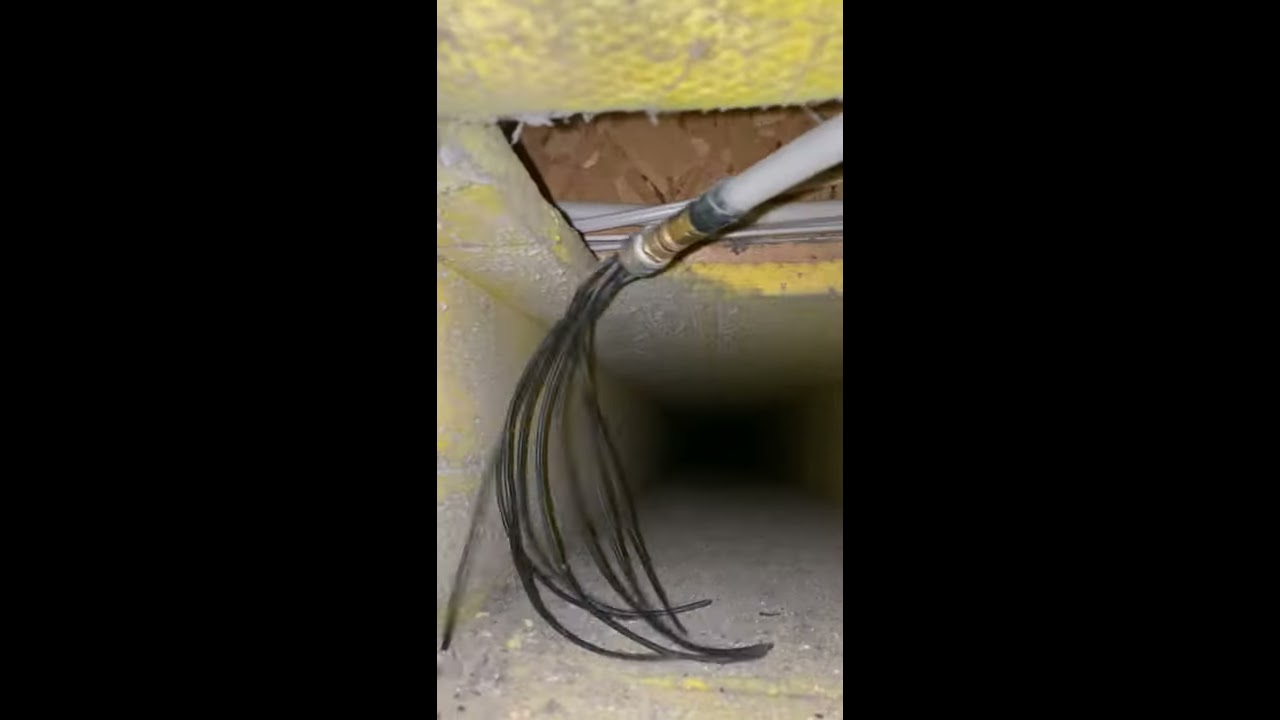
- Weekly: Deep cleaning of fryers and surface filters. Monthly: Inspection and minor cleaning of visible ductwork and hood components. Quarterly/Semi-Annually: Full professional degreasing, duct cleaning, and system performance testing.
By adopting this proactive mindset and adhering to professional standards, you move from simply reacting to smoke and grease to mastering the art of culinary safety. Don't wait for a warning sign—the early intervention required to overcome commercial kitchen ventilation buildup is the smartest business decision you can make.
HygieneXperts - Commercial & Residential Cleaning Services
61498203983
+61498203983